How to Clean Up After the Ice Storm: Safe Debris Removal Tips from a Firefighter
When a major ice storm hits Mississippi, emergency calls spike almost immediately.
As firefighters, we watch neighborhoods go from normal to overwhelmed in a matter of hours. Roads become blocked. Trees fall through homes. Power lines come down. And our crews often respond to 100+ calls each in just a few days.
I’ve personally deployed to five tornado disasters and one hurricane, and I’ve seen firsthand that many injuries don’t happen during the storm — they happen during cleanup.
That’s why I put this storm cleanup guide together: to help homeowners and businesses clear debris safely, avoid preventable injuries, and get back to normal faster.
- Downed Power Lines
- Downed Trees
- Structures Impacted by Trees
- Fences, Gates, Access Points blocked
- Delays in Emergency Response
But here’s something most people don’t realize:
Many injuries don’t happen during the ice storm — they happen during cleanup.
As firefighters, we respond every year to chainsaw cuts, ladder falls, and preventable accidents from people just trying to “get things back to normal.” Whether you’re a homeowner or managing a business property, here’s a simple, firefighter-style plan to clean up safely and get back up and running faster.
Step 1 – Document Everything Before You Touch Anything
Before you pick up a single branch or start hauling debris away, take a few minutes to document everything.
This is one of the most important — and most overlooked — parts of storm cleanup.
As firefighters, we see it all the time. People jump straight into cleanup mode, clear the yard, cut trees, load everything into a truck or dumpster, and only later realize they never captured proof of what was actually damaged. Once it’s gone, it’s gone. And insurance companies can only work with what you can show them.
Walk your property slowly with your phone and take photos of everything you see. Roof damage, broken fences, siding, fallen trees, scattered debris, water lines, or anything that looks out of place. Then take a short video walking the entire area. Video helps show the overall scale of the damage and often tells the story better than pictures alone.
A few minutes of documentation can make a big difference when filing insurance claims, applying for disaster assistance, or working with contractors. It protects you financially and prevents headaches later.
Think of it this way: document first, clean up second. Once you start moving debris, you can’t recreate the scene.
Step 2 – Secure Hazards Before You Start Moving Debris
Once you’ve documented the damage, your next priority is safety.
Before you start cutting, lifting, or hauling anything away, slow down and look for hidden hazards. Storm debris isn’t just messy — it can be extremely dangerous if you don’t treat the scene like a job site.
Downed power lines are one of the biggest threats we deal with after storms. Even if a line looks dead, you should always assume it’s live. Backfeeding from generators, damaged transformers, or partial power restoration can energize lines without warning. We’ve seen situations where homeowners thought a line was safe, only for it to become hot again seconds later. Never touch a downed line, never try to move limbs off of it, and never drive or walk through water near it. Stay away from downed power lines and marking a safe area around them can reduce risks and keep people from coming into contact with the lines. No cleanup task is worth the risk of electrocution.
Trees can be just as dangerous.
When a tree falls, the wood is often under extreme tension or compression. Branches can be bent like springs, trunks can be pinned under pressure, and what looks stable can shift instantly when cut. We regularly respond to chainsaw injuries caused by logs snapping back or rolling unexpectedly. A single cut in the wrong place can release stored energy and send a branch or trunk moving faster than you can react. If a tree is twisted, leaning, partially suspended, or resting on a structure, it’s often safer to call a professional with the right equipment.
The goal at this stage isn’t speed — it’s control. Take a few minutes to remove or mark hazards first, create a safe workspace, and then begin cleanup. Securing the scene up front prevents injuries and makes everything else go much smoother.
Step 3 – Create Safe Access Before Full Cleanup Begins
After you’ve documented the damage and secured obvious hazards like power lines and unstable trees, the next priority is access.
As firefighters, one of the first things we look at on any emergency scene is simple: can we get to you?
Storm debris has a way of blocking the very routes emergency crews may need most. Driveways get piled with limbs, streets become narrow, and entrances disappear behind scattered debris. It might not seem like a big deal at the time, but if someone gets hurt or a fire starts, those obstacles can slow down fire trucks, ambulances, or utility crews when every second counts.
Before you focus on hauling everything away, take time to clear basic paths first. Open up your driveway. Make sure vehicles can get in and out easily. Clear walkways to doors and gates. If you manage a business or commercial property, make sure fire lanes, loading areas, and main entrances are passable.
Think of it as creating a safe work zone. When access is clear, cleanup becomes easier, equipment can move freely, and you reduce the risk of trips, falls, and blocked exits. It also allows contractors, insurance adjusters, and emergency personnel to do their jobs without delay.
It’s a small step that makes a big difference. Establish access first, then tackle the rest of the debris.
Step 4 – Wear the Right Gear to Protect Yourself
Once you’re ready to begin cleanup, treat the job like light construction work — not yard work.
One of the biggest mistakes we see after storms is people heading outside in tennis shoes, and bare hands, thinking they’re just picking up a few branches. But storm debris is full of hidden hazards. As firefighters, we wear protective gear for a reason. It doesn’t take much to prevent most of the cuts, slips, and falls we respond to.
At a minimum, wear sturdy gloves, thick-soled work boots, long sleeves, and long pants. Eye protection is important when cutting or moving debris, especially with chainsaws or when branches can snap back unexpectedly. If you’re working around trees or overhead hazards, a hard hat or helmet is a smart extra layer of protection.
It may feel like overkill at first, but the right gear makes a huge difference. Most cleanup injuries aren’t major disasters — they’re simple things like puncture wounds, twisted ankles, or debris in the eyes that could have been prevented with basic protection.
Dress for the job, take your time, and you’ll work safer and longer without setbacks.
When in Doubt, Call a Professional
Storm cleanup can quickly turn into more than most people expect.
What starts as “just picking up a few branches” can turn into chainsaw work, heavy lifting, roof repairs, or dealing with unstable trees and hidden hazards. If something feels unsafe or outside your comfort zone, it probably is.
As firefighters, we’ve seen too many injuries happen when someone tries to handle a job that really needed the right tools or experience. There’s no shame in calling for help. In fact, it’s often the safest and fastest way to get back to normal.
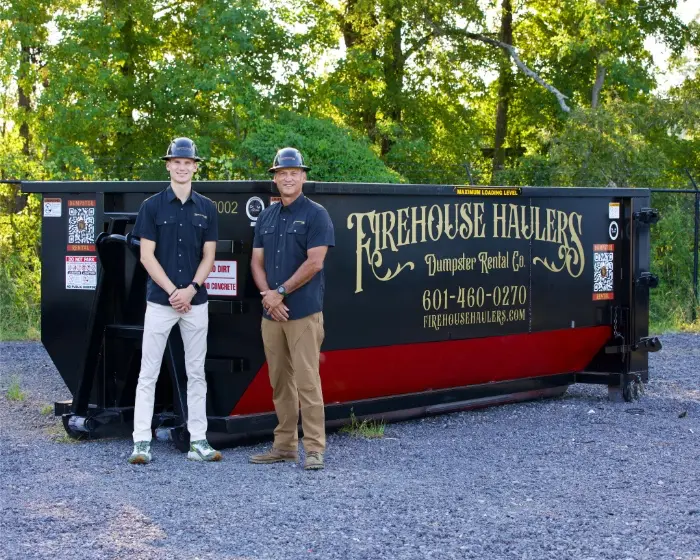
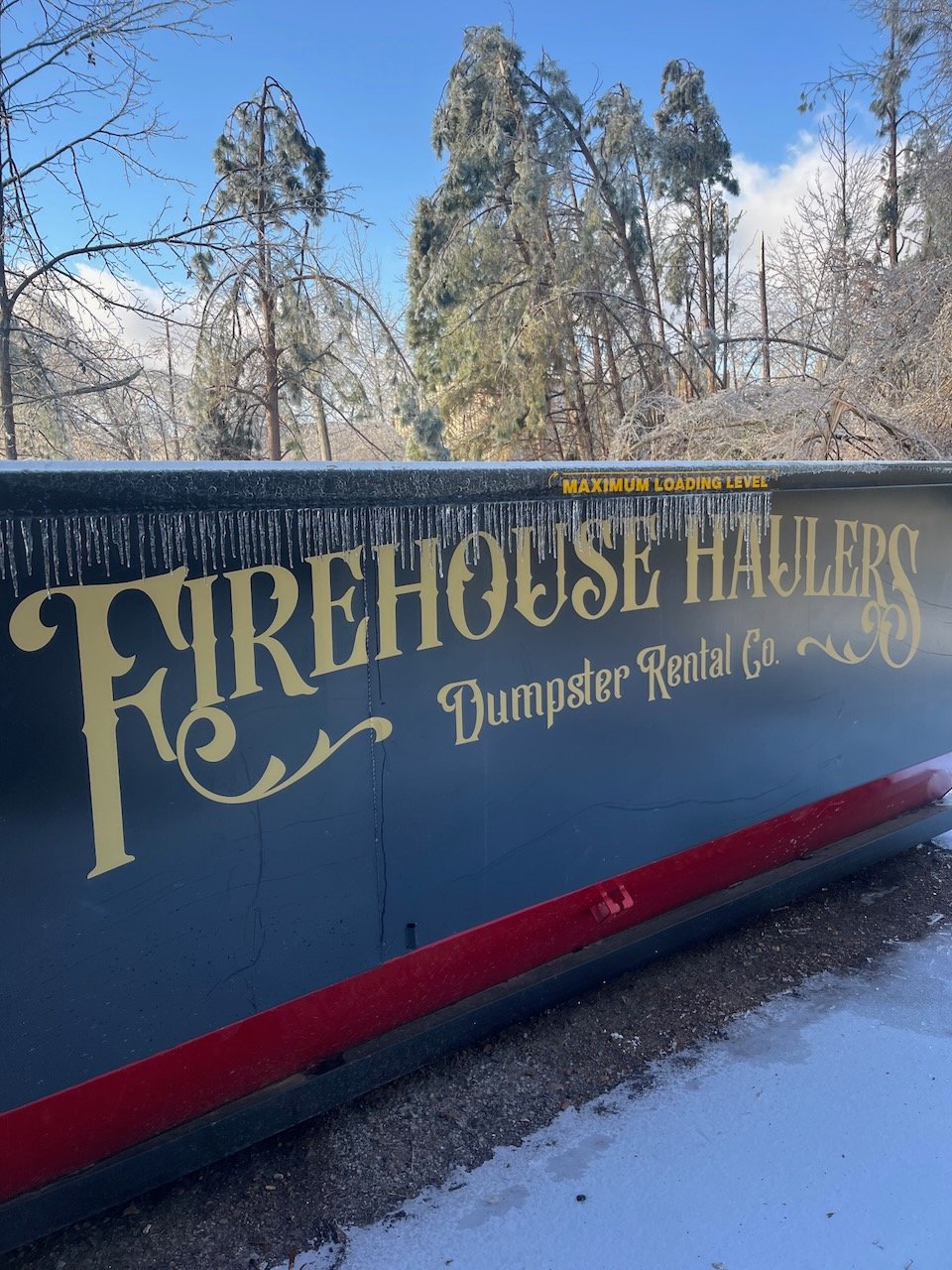
For larger projects, consider working with professionals like restoration companies, tree services, or debris removal providers who deal with storm damage every day. They have the equipment, training, and insurance to handle the risks safely. Of course, Firehouse Haulers provides dumpster rental services for cleanup efforts as well. We provide both 12 yard and 20 yard dumpsters that are designed to fit in a standard parking space making them ideal for residential cleanup efforts.
We also encourage people to use trusted local companies whenever possible. After major storms, out-of-town contractors often show up looking for quick work. Unfortunately, some of them overcharge, disappear mid-job, or take advantage of families and businesses during stressful situations. Local companies live and work in the same communities you do. They care about their reputation, and they’ll still be here long after the cleanup is finished.
If you’re not sure who to call, we’re always happy to point you in the right direction. Through years of emergency response and working in the community, we’ve built relationships with reputable local restoration crews, tree companies, and debris removal services we trust.
The goal isn’t just to clean up — it’s to do it safely and get everyone back to normal without anyone getting hurt.